
Position your brand clearly in the market.
We define your audience, message, voice, and reason to choose your brand.
Position your brand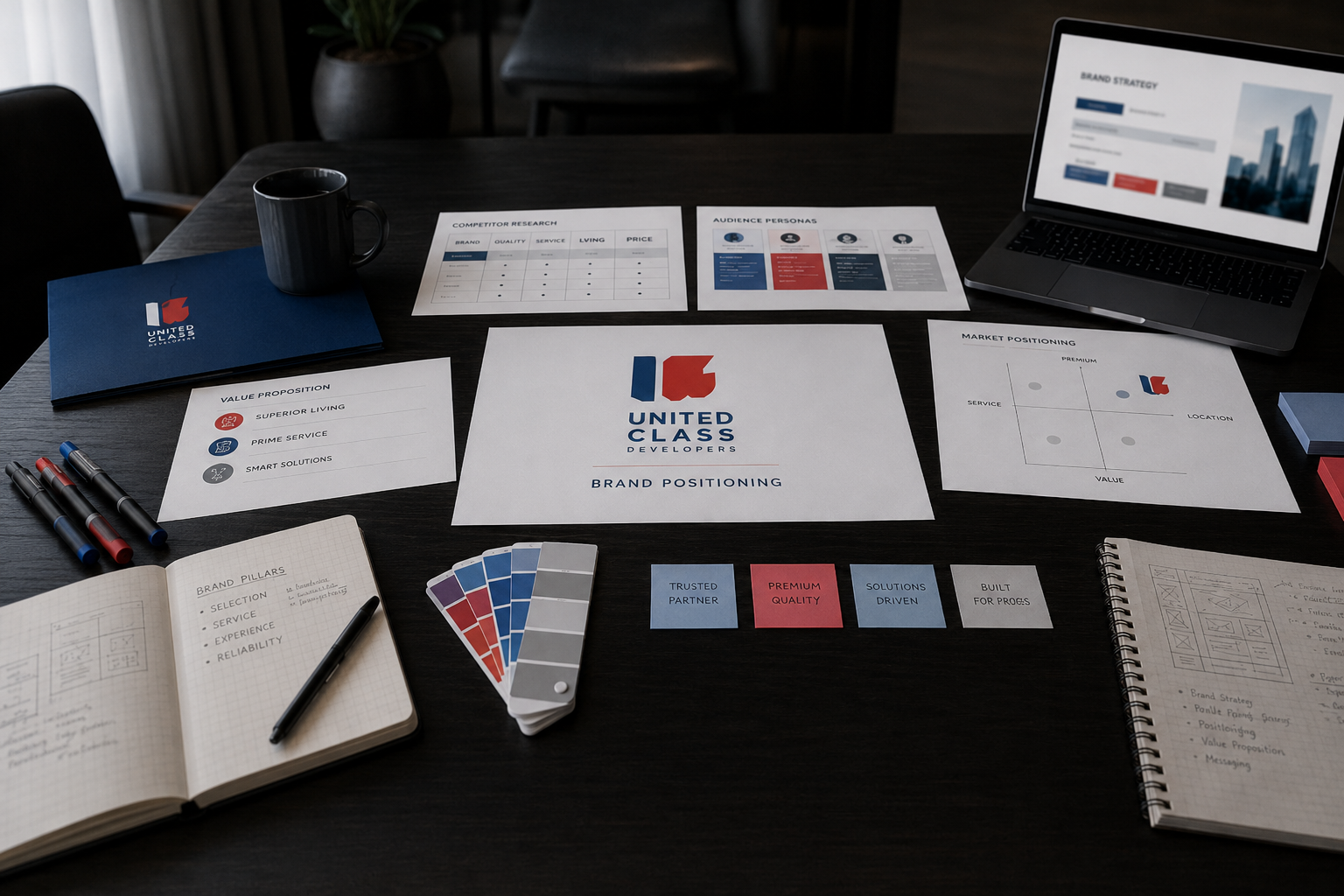
0
Core pillars: audience, market, message, and differentiation.0°
Complete view of your audience, market, and competitors.0
Clear positioning statement for your brand direction.0%
Focused communication across every brand channel.Before people remember your brand, they need to understand it.
Brand positioning gives your business a clear place in the market. At Mark Identitiez, we study your audience, competitors, category, offer, strengths, and brand ambition to define a sharp positioning direction that makes your brand easier to understand, easier to trust, and easier to choose.
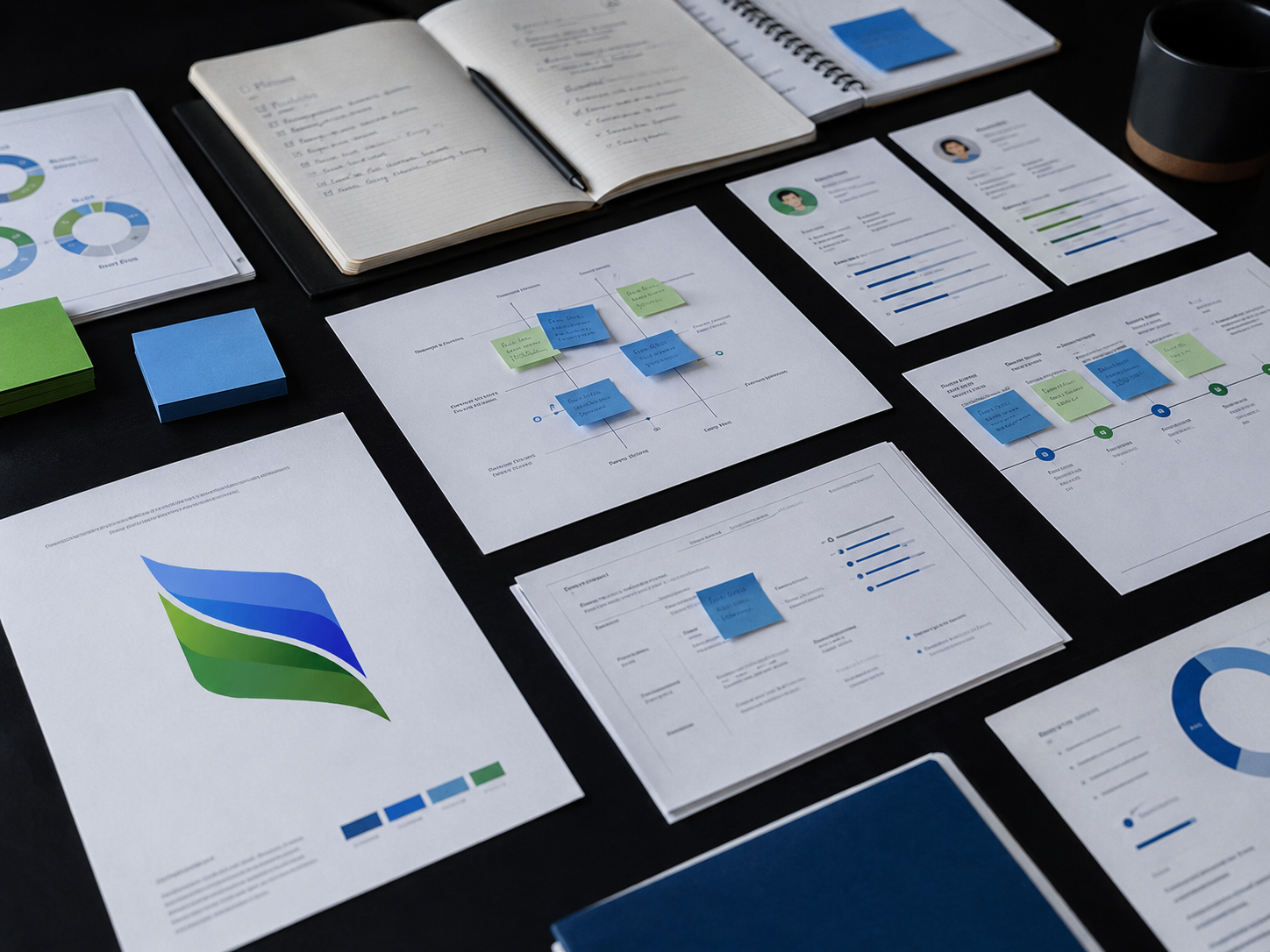
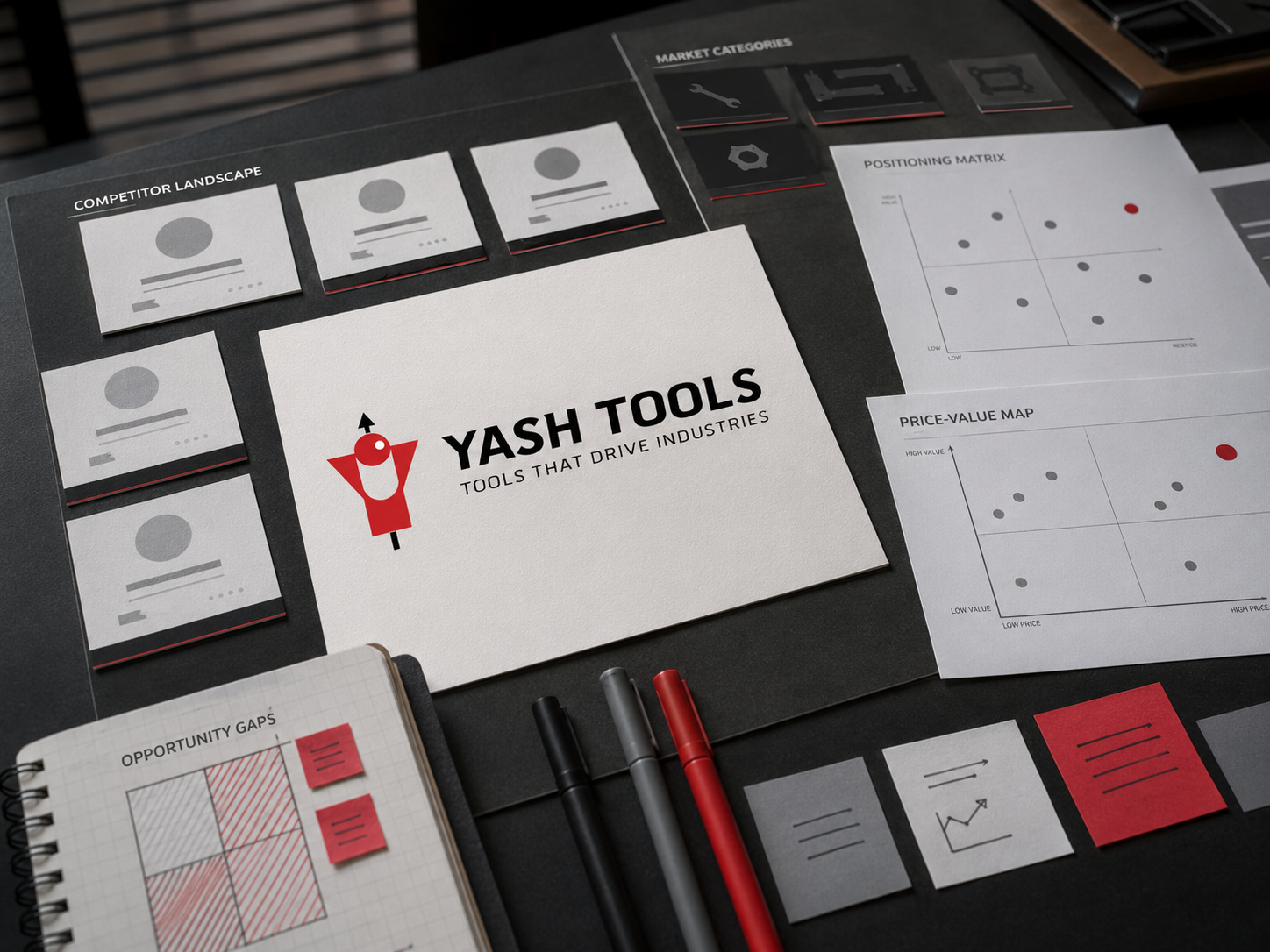
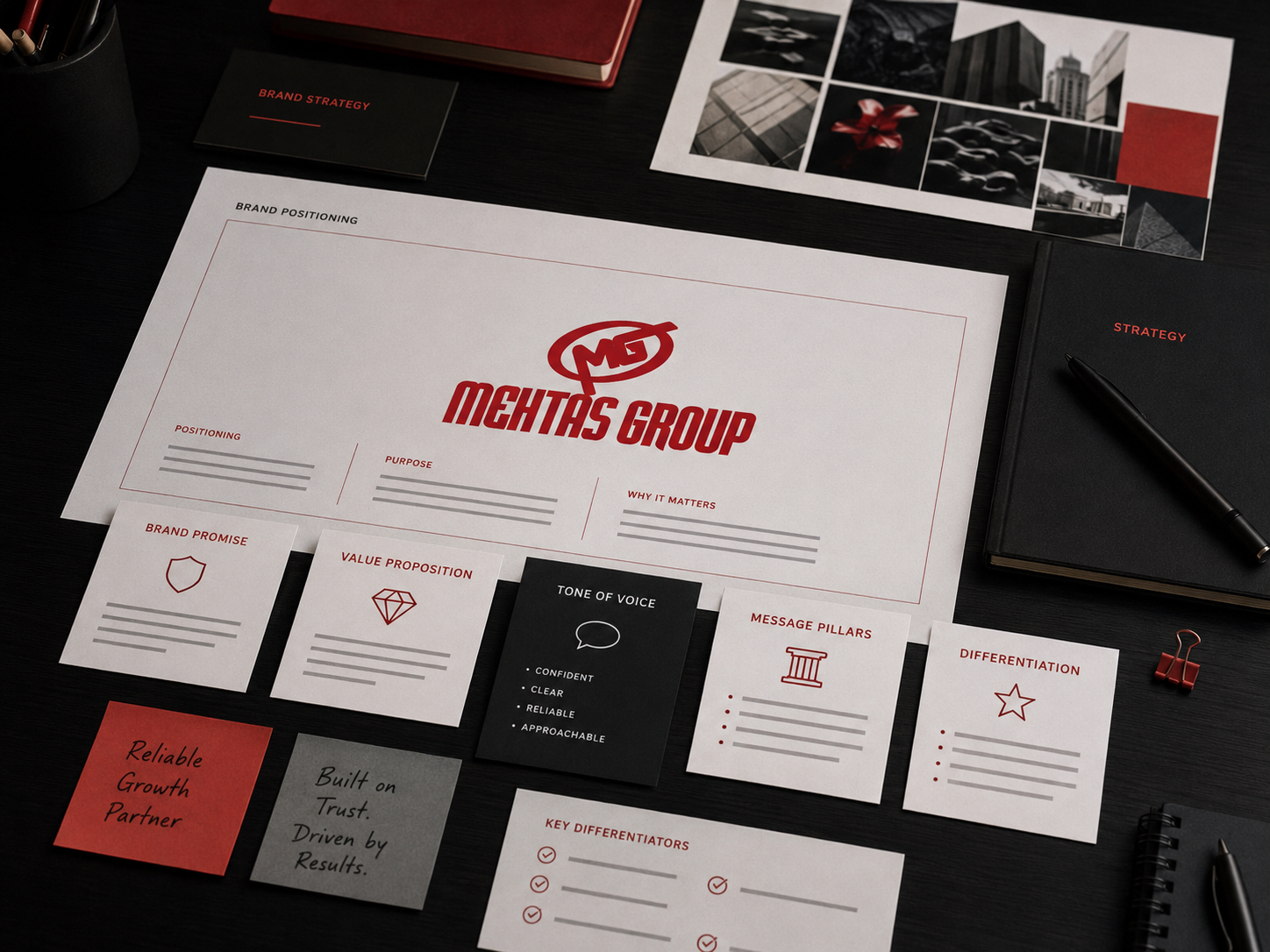
Clear strategy for a stronger brand position.
Market Understanding
We study your category, audience behavior, customer expectations, competitors, and current market language to find where your brand can stand apart.
Audience Definition
We define who your brand is speaking to, what they care about, what problems they want solved, and what message will make them pay attention.
Differentiation Strategy
We identify your strongest advantages, unique value points, proof areas, and emotional hooks so your brand does not sound like everyone else.
Positioning Framework
We create a clear positioning statement, brand promise, key messaging pillars, tone direction, and communication guidance for marketing and design teams.
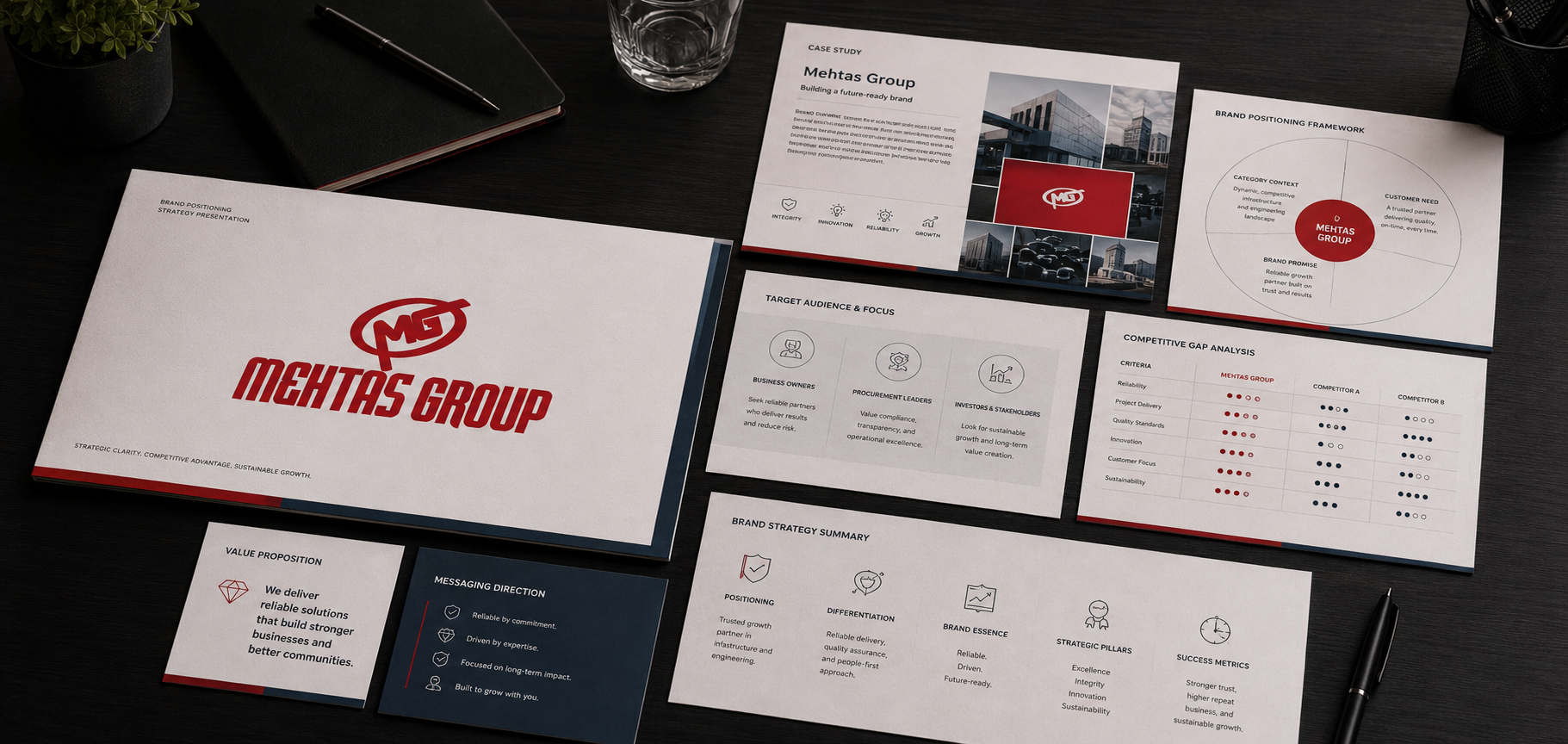
From market confusion to brand clarity.
We turn research, audience insight, and business strengths into a clear positioning direction your brand can use across identity, content, campaigns, and sales communication.
Research
We understand your business, audience, competitors, industry language, current perception, and growth goals.
Find the Gap
We identify market opportunities, competitor weaknesses, audience needs, and the space your brand can own.
Define Position
We build your positioning statement, brand promise, value proposition, messaging pillars, and tone direction.
Apply Direction
We guide how the positioning should reflect across your brand identity, website, content, social media, campaigns, and customer touchpoints.
Brands that need a sharper place in the customer's mind.
This service is most valuable when the offer is good but the market message still feels generic. We bring structure to what you say, how you sound, and why your brand deserves attention over similar alternatives.
- Businesses preparing for rebranding, launch, or category expansion
- Founders struggling to explain their real difference clearly
- Teams whose design and marketing feel active but not aligned
What this fixes
Weak recall, broad messaging, competitor-like language, and a brand story that changes from sales deck to website to social media.
How users feel the difference
The brand sounds easier to understand, more credible, and more focused because the message is built around one defensible point of view.
What teams gain internally
Clearer message hierarchy for presentations, campaigns, content, website sections, and sales conversations across departments.
What makes it commercially useful
The output is not just strategic language. It becomes a working direction for identity, communication, launches, and future brand decisions.
Questions clients ask before defining brand positioning.
Competitor pages often explain the service deeply. This section makes the value easier to judge without making the page feel text-heavy.
Do I need positioning if I already have a logo?
Yes, if the brand still sounds unclear. A logo improves recognition, but positioning explains why the brand matters and how it should be understood.
Will this help website and content writing too?
Absolutely. Positioning shapes your value proposition, tone, messaging pillars, headlines, offers, and the structure of high-conversion communication.
What usually comes after positioning?
Most brands move into identity design, packaging direction, or tonality and messaging so the strategic clarity reflects in every customer-facing asset.